
If you’re trying to decide who to trust with your wedding day, I’d rather show you how we work than describe it. So this is the story of the first event James and I ever ran together, including the part where it nearly came apart before lunch.
We were sitting in the bleachers at his son’s football game on a Saturday morning when my phone buzzed. It was the executive director of the nonprofit we were coordinating for that night. Both of her ASL interpreters had canceled late the night before, both for family emergencies.
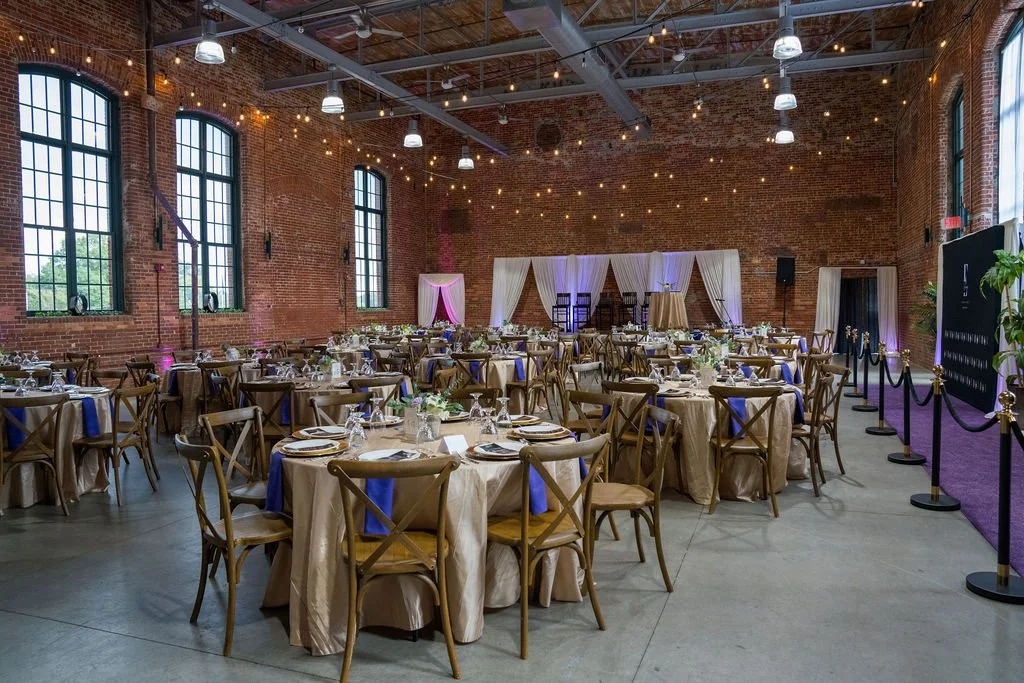
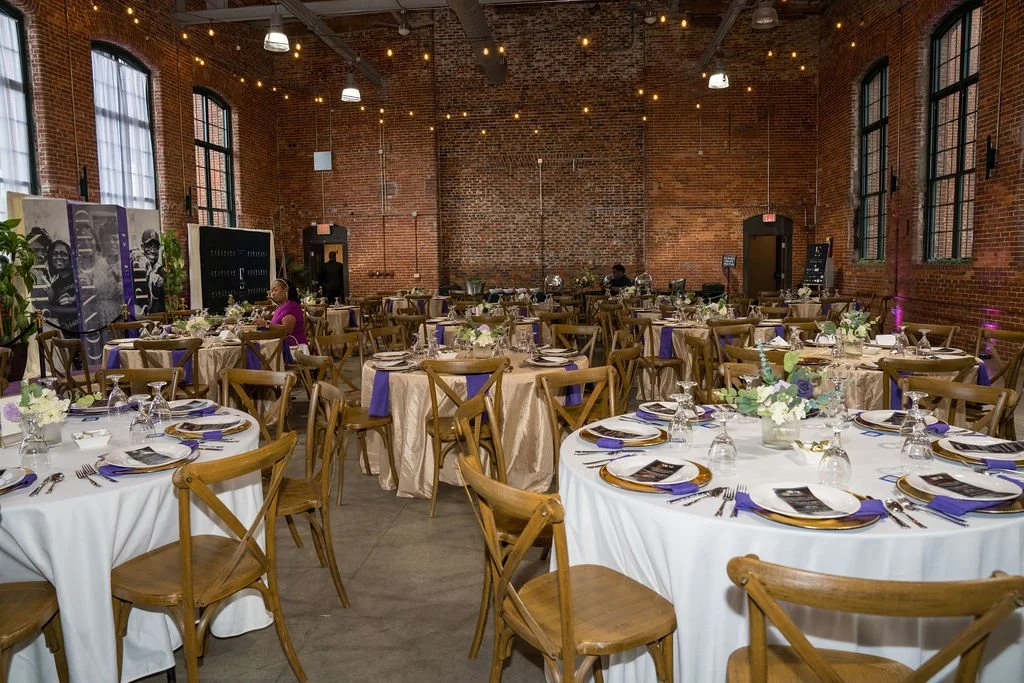
The gala was that evening at Loray Mill Grand Hall, with 150 guests and a program built around Deaf culture and accessibility. It was James’s first event, and he was sitting right next to me when I read that text.
How we ended up doing this together
I planned weddings and events for about ten years before stepping away in 2020. I was a single mom working full-time, and Saturday weddings didn’t leave room for childcare. I never stopped missing the work.
Then I married a man who fixes diesel engines for a living. Somewhere in the middle of raising our family, we started talking about building something side by side. James loves solving problems with his hands. I love the planning, the people, and the moment a day finally comes together. Weddings need both of those things, and we wanted to do it as a team.
We went into the gala knowing it would tell us a lot. Would we work well together under pressure? Would James enjoy it, or quietly hope I never asked again? We were about to find out, with a lot less runway than we’d planned on.
Curious who you’d actually be working with? Meet Dana and James.
The night we were planning for
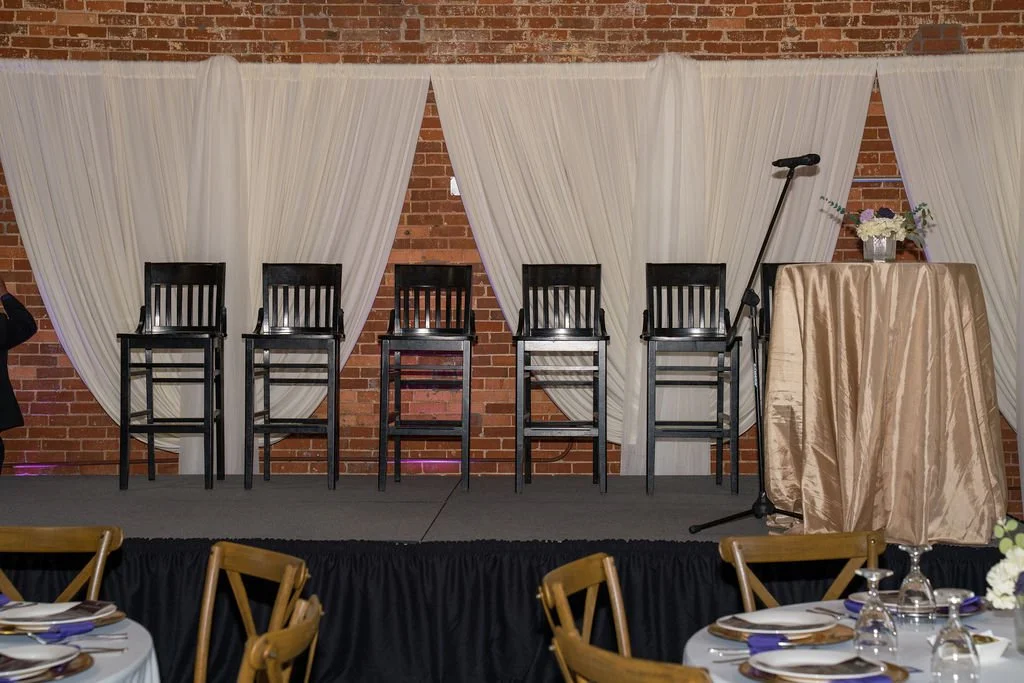
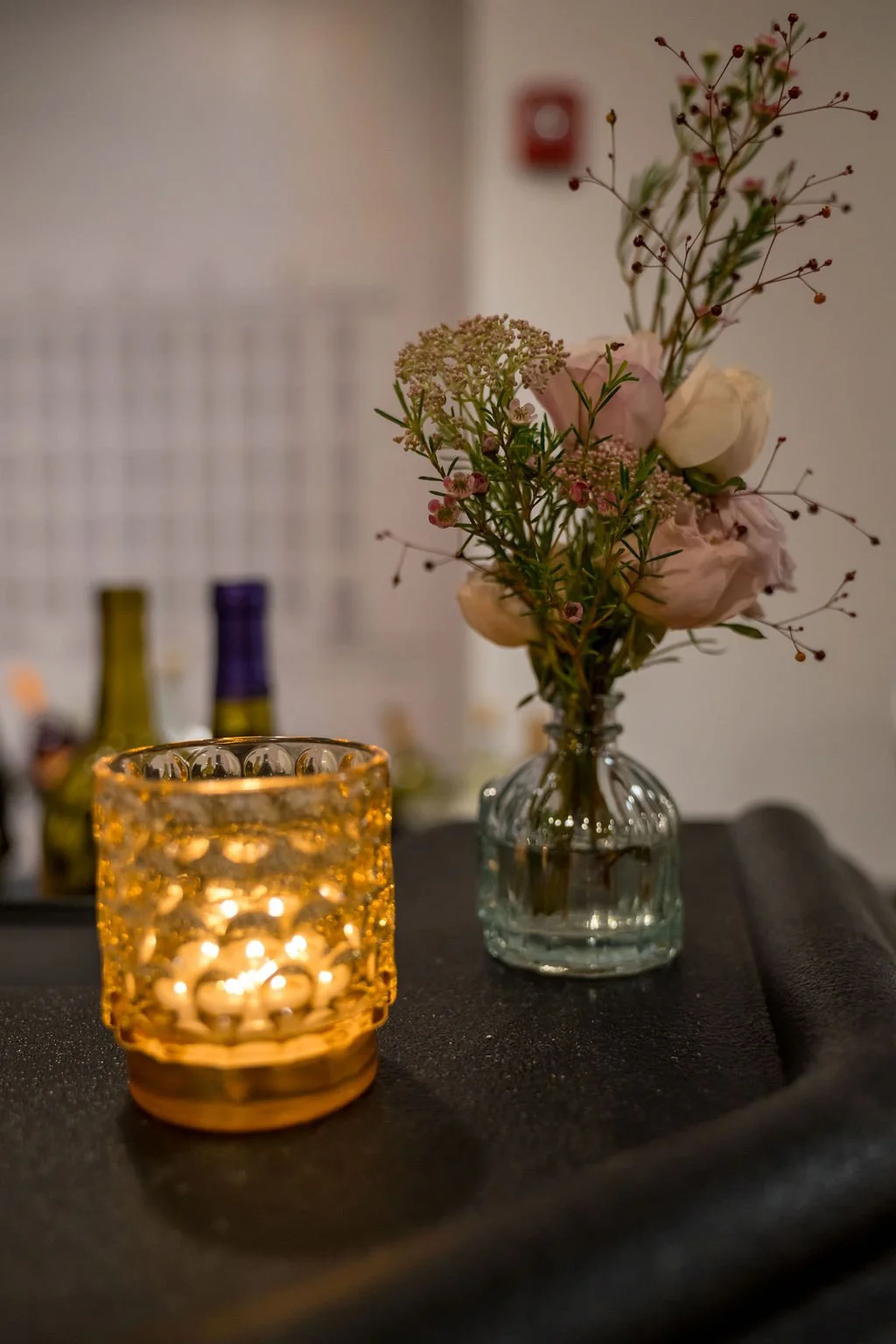
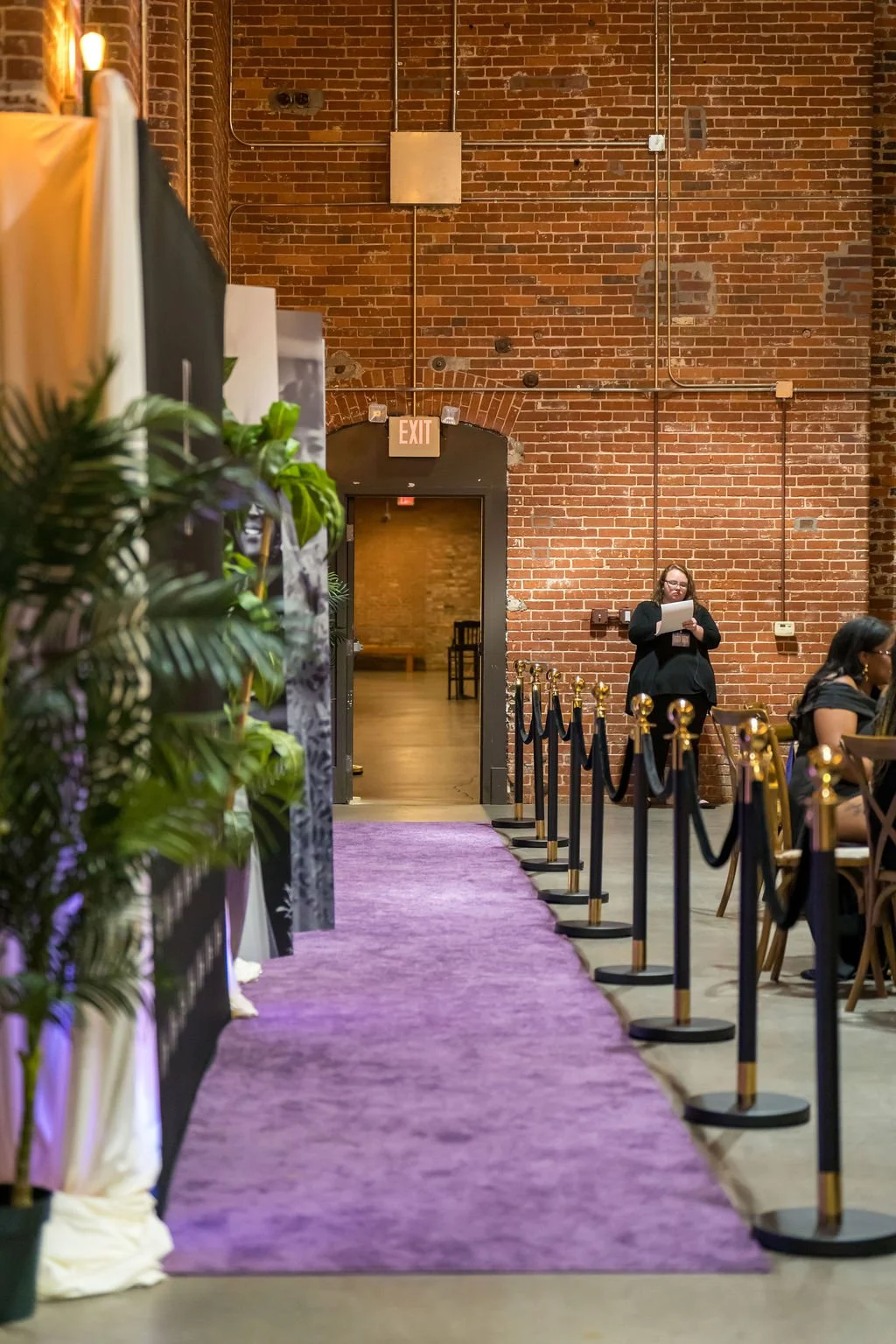
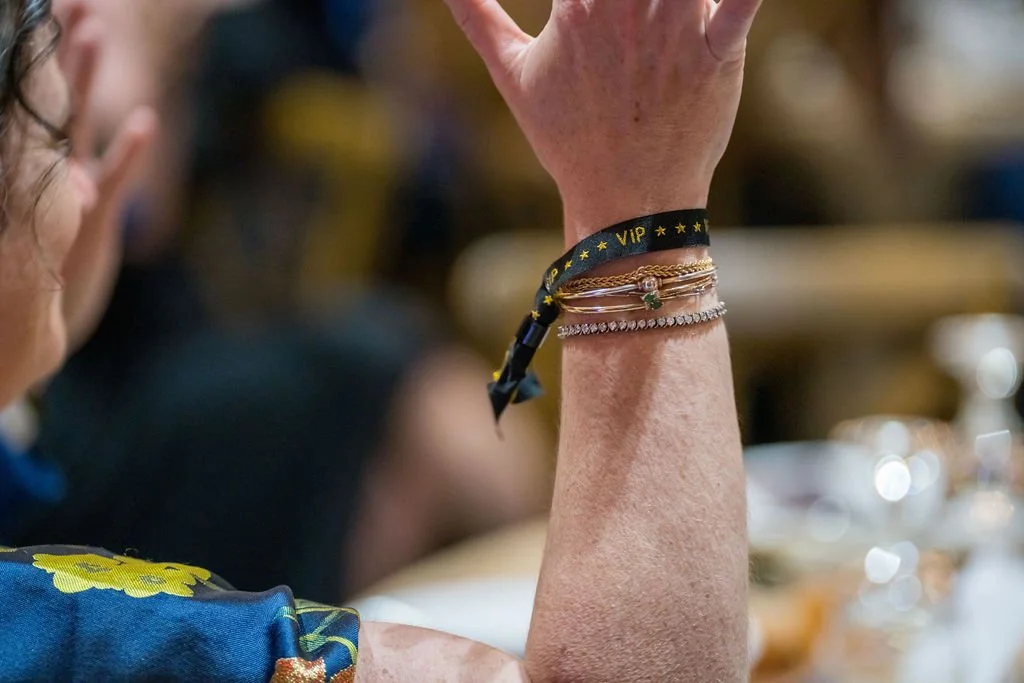
The nonprofit had built its gala around Deaf culture and accessibility. Guests arrived on a purple carpet, the director’s take on a red carpet, where a photographer and videographer greeted them as they walked in. From there the evening moved through a keynote, a moderated panel and an award presentation that needed to reach everyone in the room.
That program had no slack in it. If one piece ran late, every piece after it ran late too.
For many of the guests, the interpreters were the event. They were how people would follow the keynote, take part in the panel, and feel the award when it was presented. Without them the night would still run on schedule, but a lot of people in that room wouldn’t really get to be part of it.
Your wedding probably has its own version of this. It’s the one piece that, if it disappeared, would change the whole day for someone you love. It might be your officiant, your photographer, or your grandmother’s ride from her assisted living community. Whatever it is for you, that’s the piece we watch most closely.
What broke that day
Replacing two interpreters with a few hours’ notice is a different kind of problem from a late cake delivery. You need qualified people who happen to be free on a Saturday night, and finding them depends on relationships in the Deaf community and someone who can vouch for who you’re bringing in.
That wasn’t the only thing in motion. The DJ was still traveling in and needed a place to stay overnight. We’d only been able to walk the room that week, so the layout, decor and bar placement were all still being confirmed. Venue access, setup times and arrival details had to line up before the doors opened.
None of those would have been a crisis on its own. Stacked together on the day of the event, it was a long list of open loops for one person to hold. It wasn’t one person, though.
How we split the work, and why it mattered
The first thing we did was decide what wasn’t ours to solve.
The interpreter search belonged to the executive director. She had the relationships in the Deaf community and knew what the right fit looked like for her guests. If I’d spent the afternoon cold-calling agencies, it would have been slower and worse. So I talked it through with her, helped her figure out who to reach out to first, and let her lead.
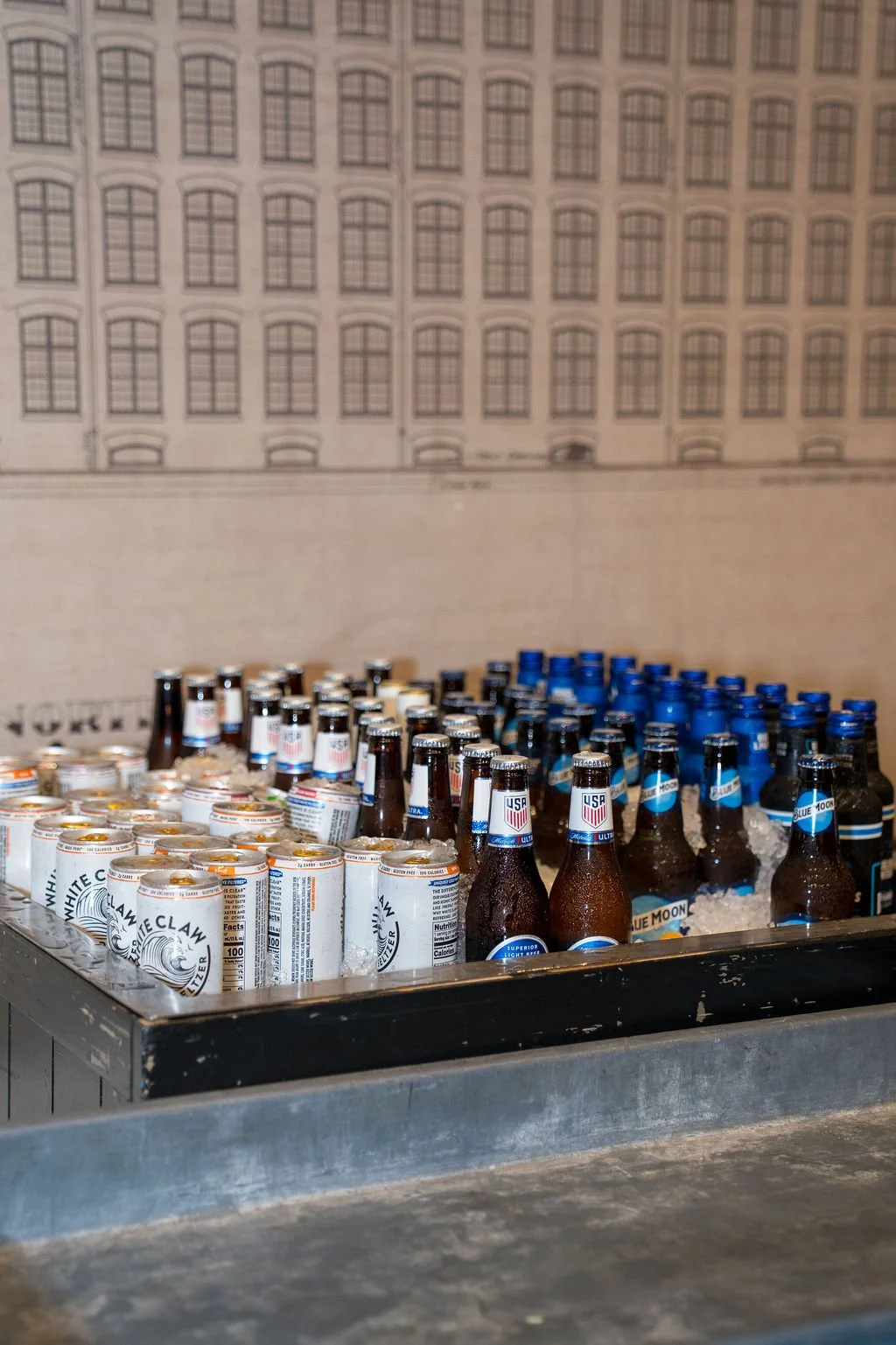
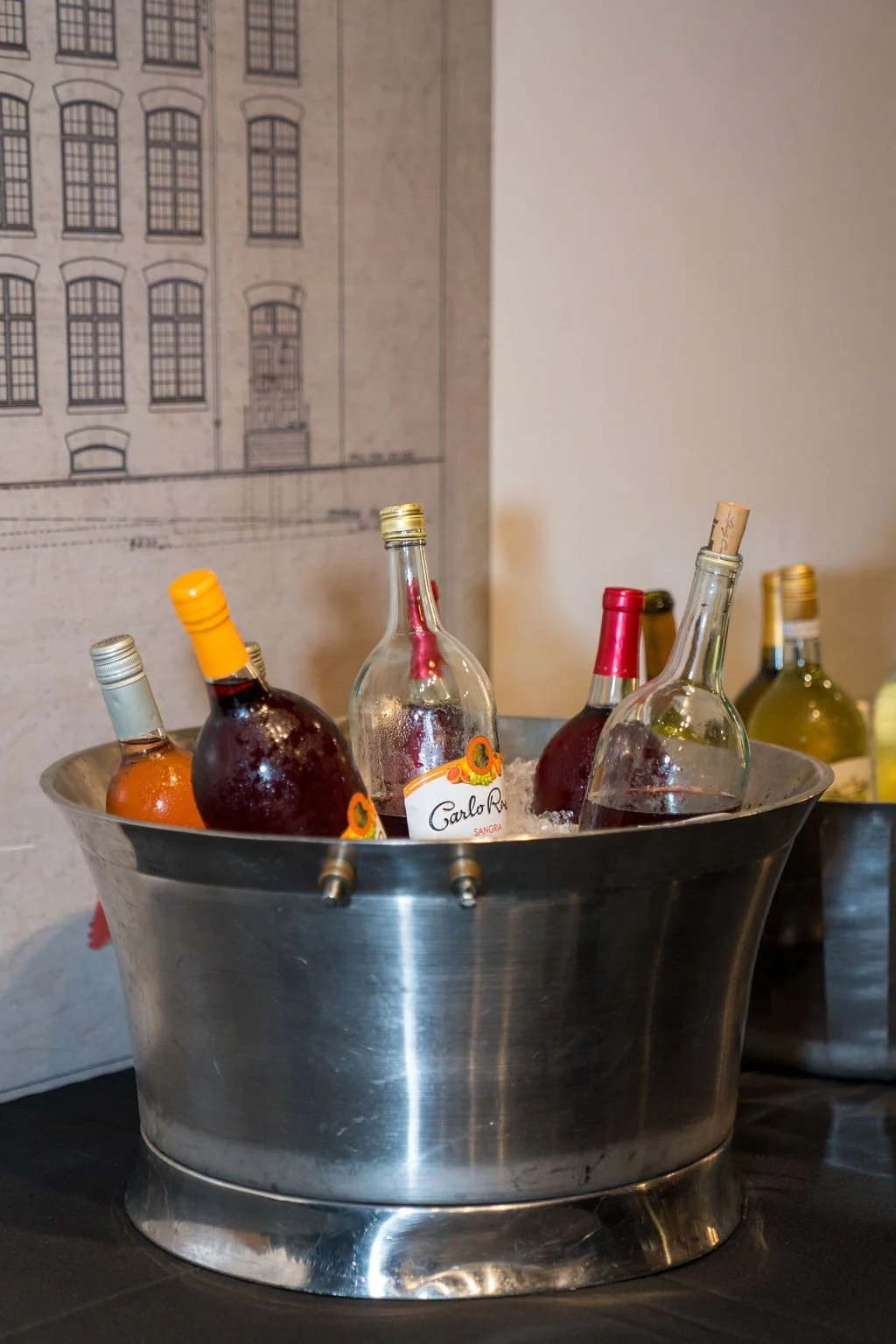
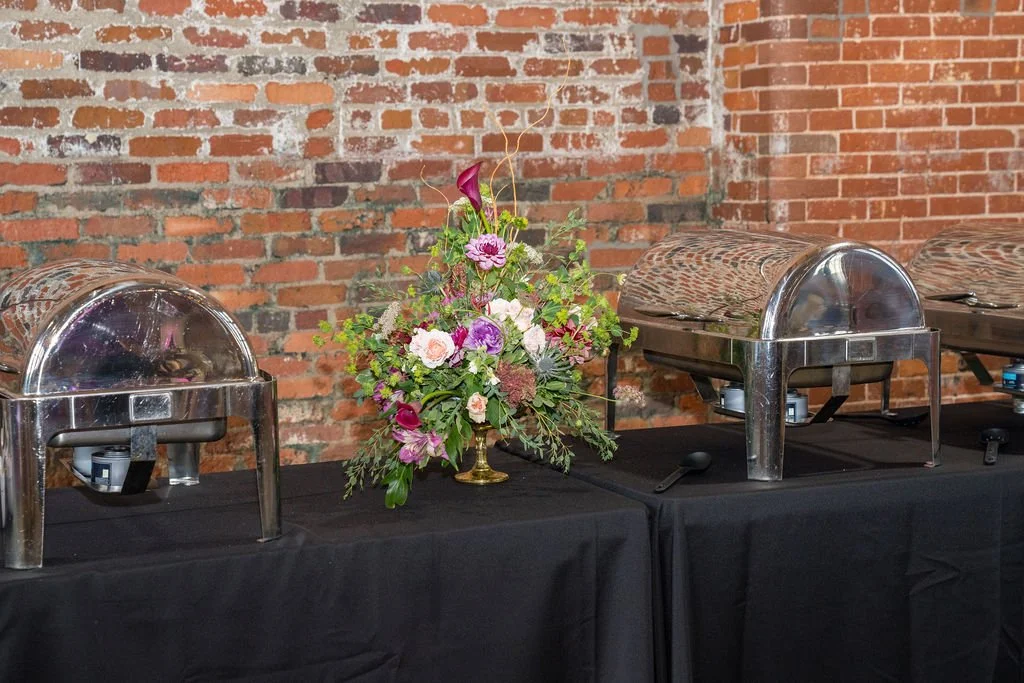
Everything else, I took. I handled communication with the venue, got the DJ in and found him somewhere to stay, confirmed the room was set and decorated the way it was planned, made sure the bars were where they belonged, and kept venue access on track. Once she had an interpreter booked, the communication came back to me: how to get there, where she’d be positioned, how to reach us during the evening, and what she needed to do her job well.
James took the floor. He handled logistics, worked through every loose task left over from that week, coordinated our volunteers and kept guests moving where they needed to go. If anyone needed help, they found James. That freed me to stay with the executive director, keep the hosts in place, and hold the timeline as close to her vision as we could get it.
All day, we kept feeding each other solutions in real time. He’d spot something on the floor, and I’d already know where it fit in the timeline. I’d hear about a change from the director, and he’d already be moving on it.
This is the part I most want you to take away. On your wedding day, someone needs to be with the people: the two of you, your families, your wedding party, and the timeline holding it all together. Someone else needs to be with everything happening around you, which means vendors, setup, guests and the hundred small problems that come up on any wedding day. When one coordinator is doing both, they’re constantly choosing which one to step away from for a few minutes. With two of us, nobody has to make that choice.
That’s how we run every wedding we take on. See how Month of Management and Partial Planning work.
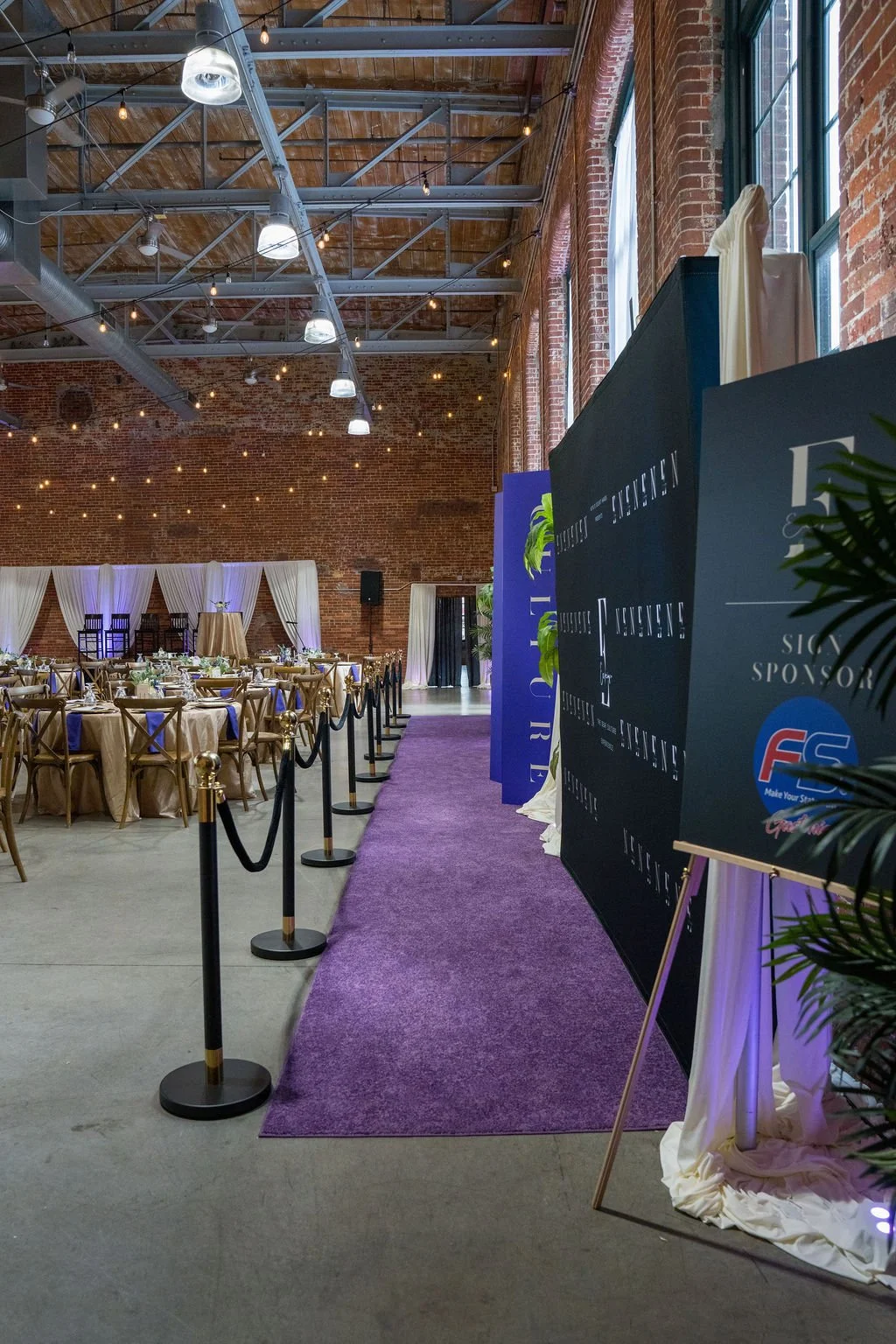
What the guests actually saw
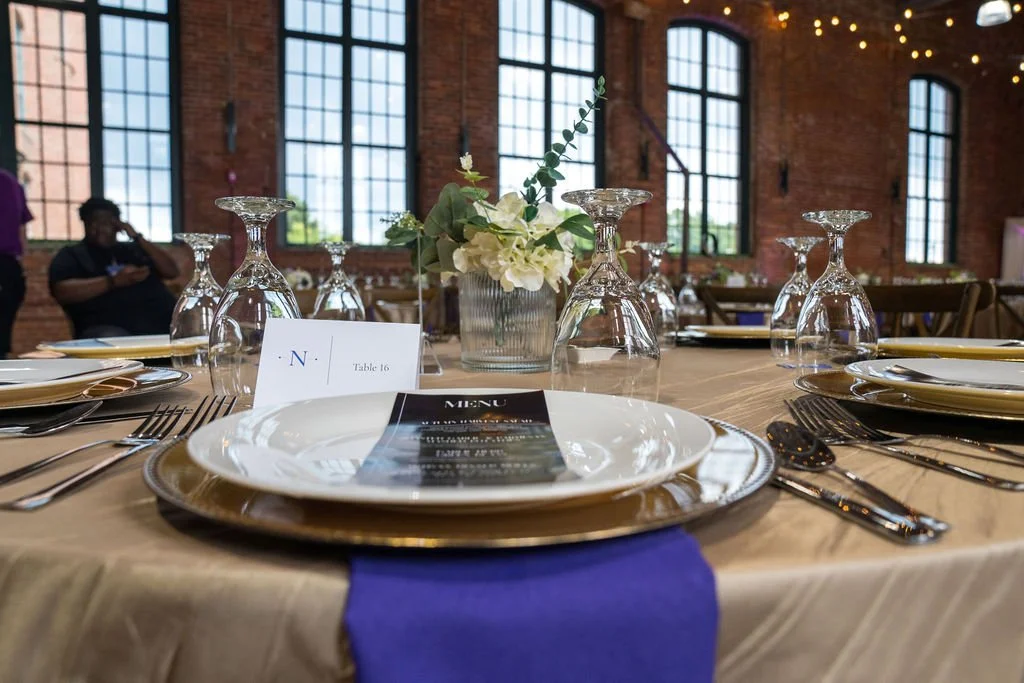
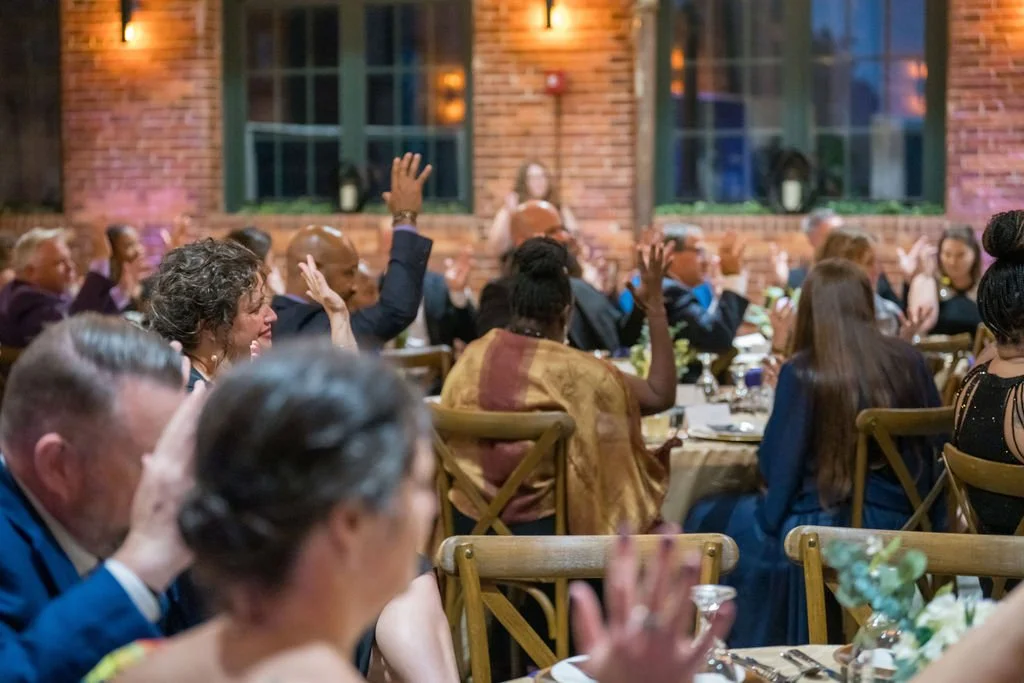
The doors opened on time, and so did the bar. The photographer and videographer were out on the purple carpet chatting with guests as they arrived, and the program moved along in order.
Nobody in that room knew the interpreters had changed that morning, or that the DJ had needed a place to sleep. What I heard from guests all night was how much they were enjoying themselves.
That’s what we want for your wedding. You should walk away remembering the toasts and the dance floor. Whatever got handled behind the scenes can stay there.
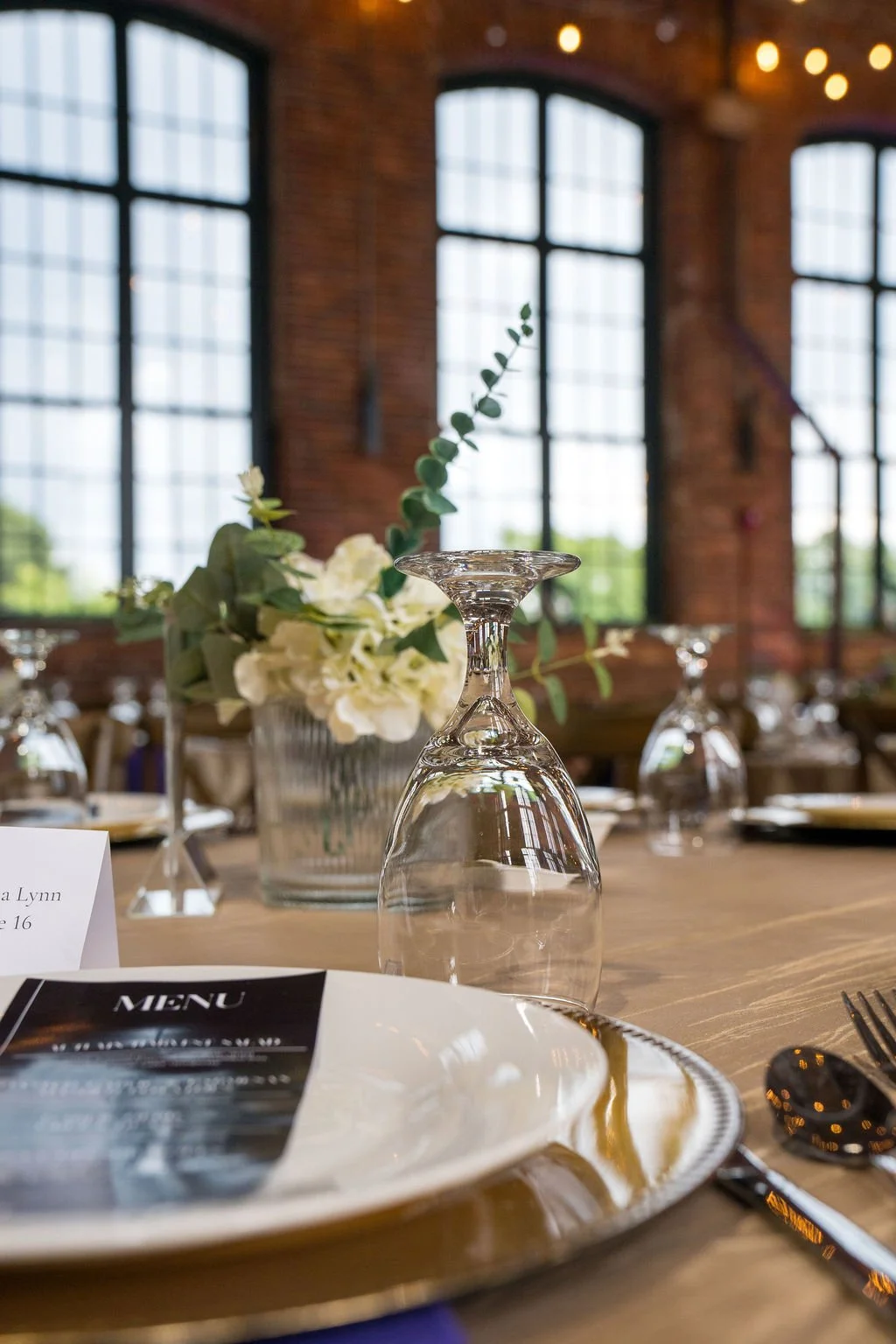
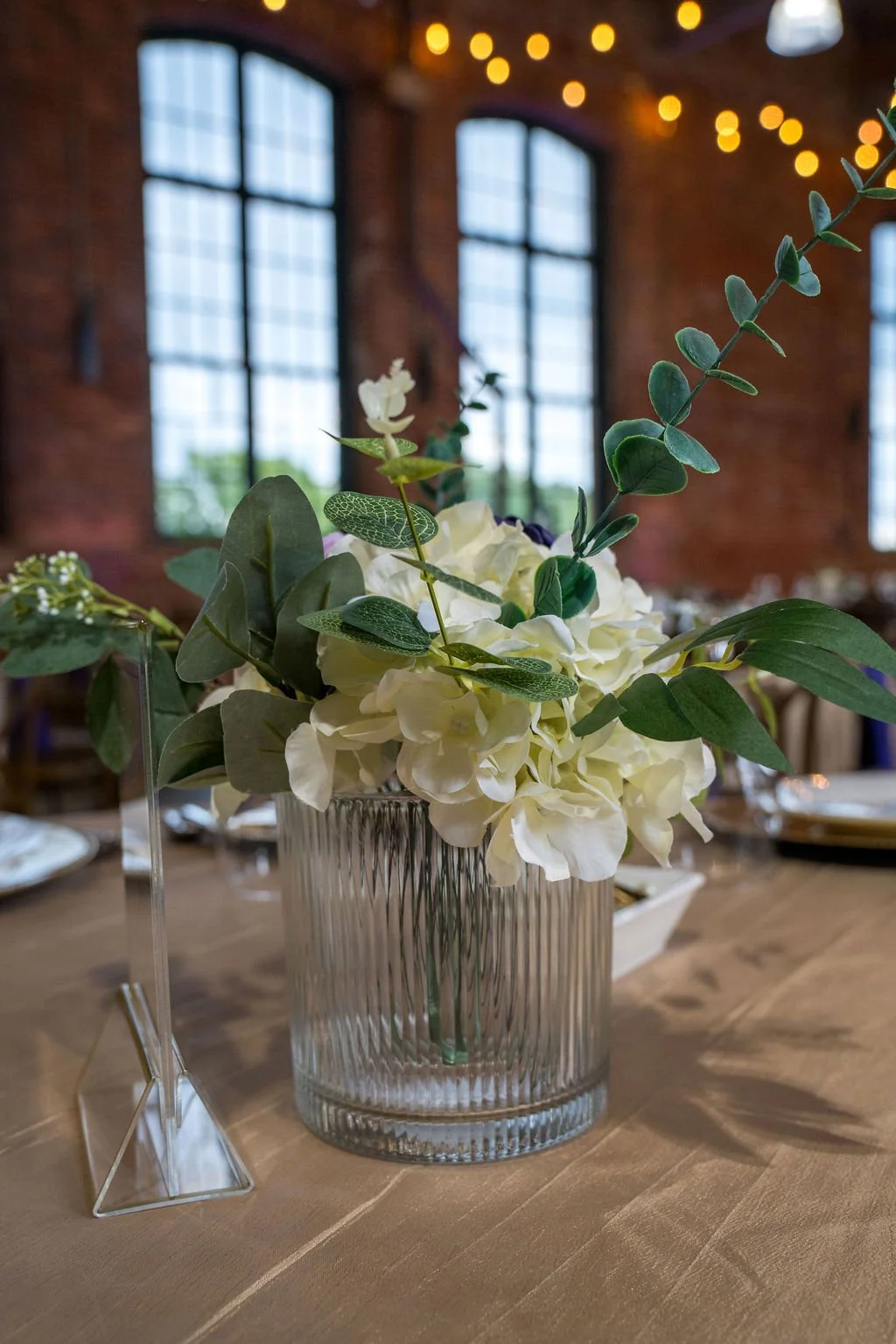
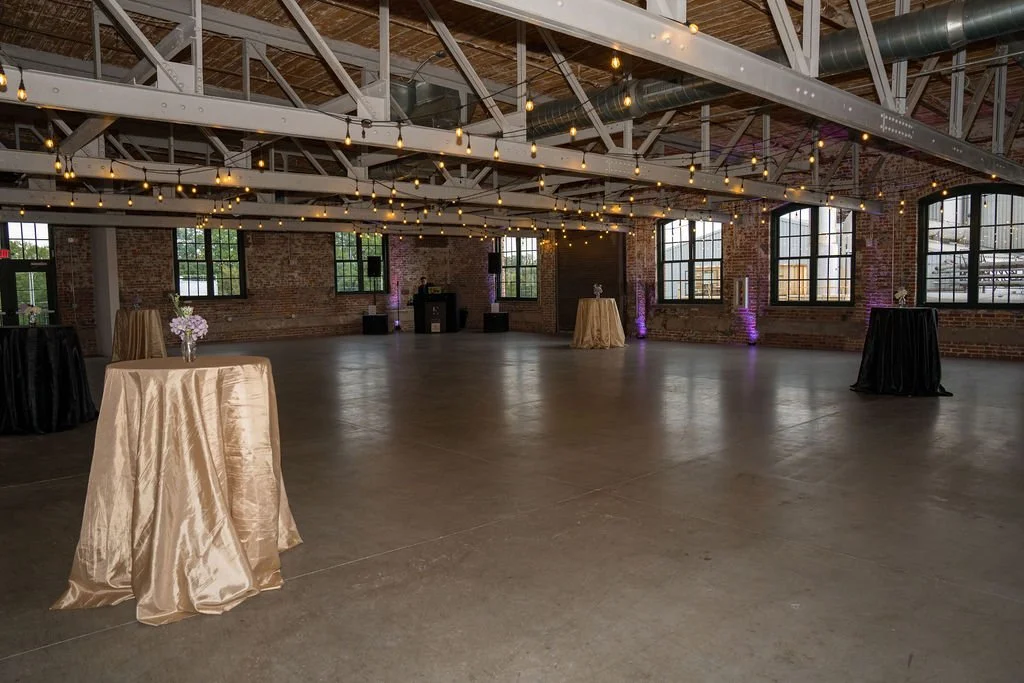
The diesel mechanic thing
James spends his work weeks figuring out why something stopped running, usually with someone waiting on it. Panicking doesn’t help, and leaving a job half-finished isn’t an option. You find the problem, fix it, and move on to the next one.
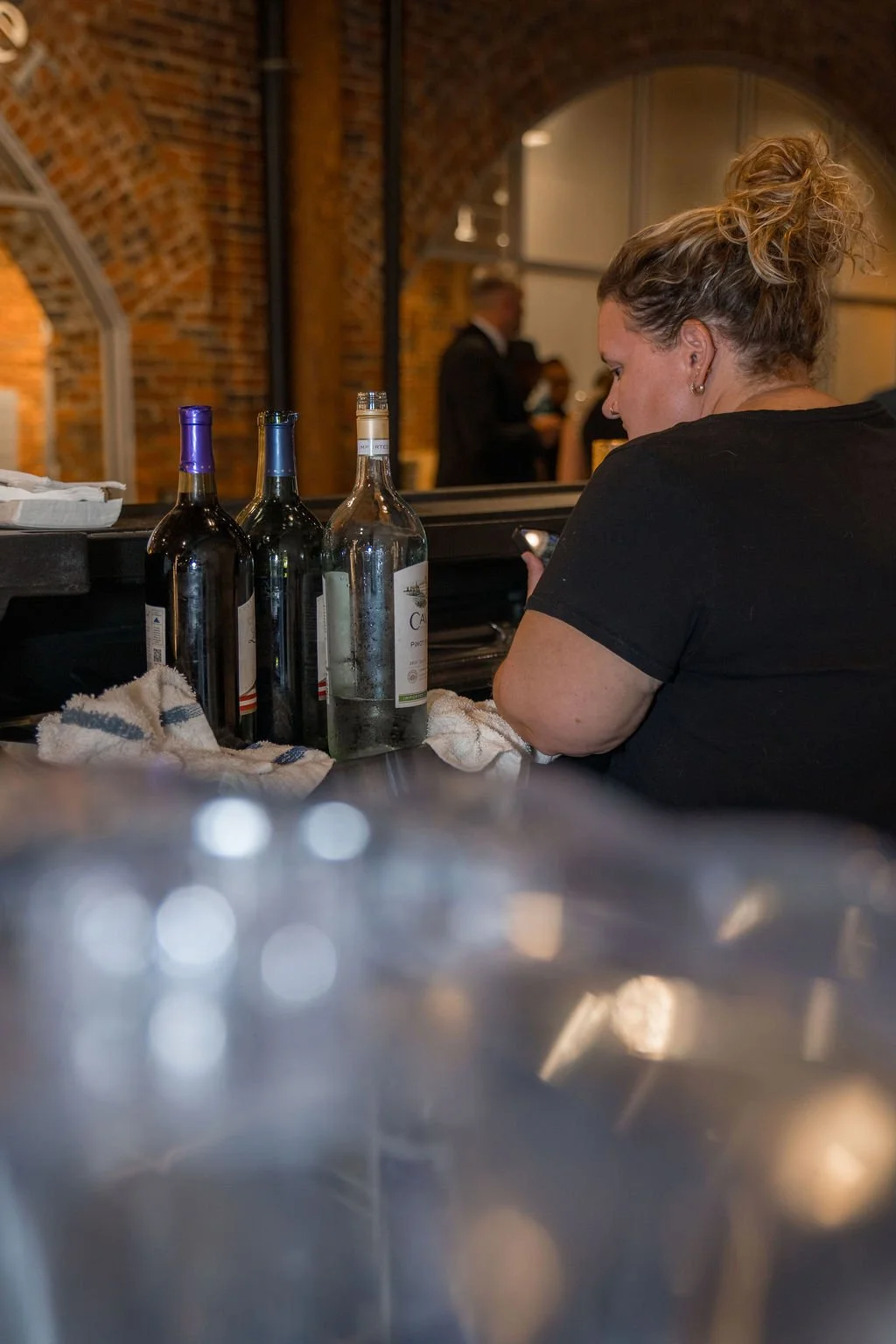
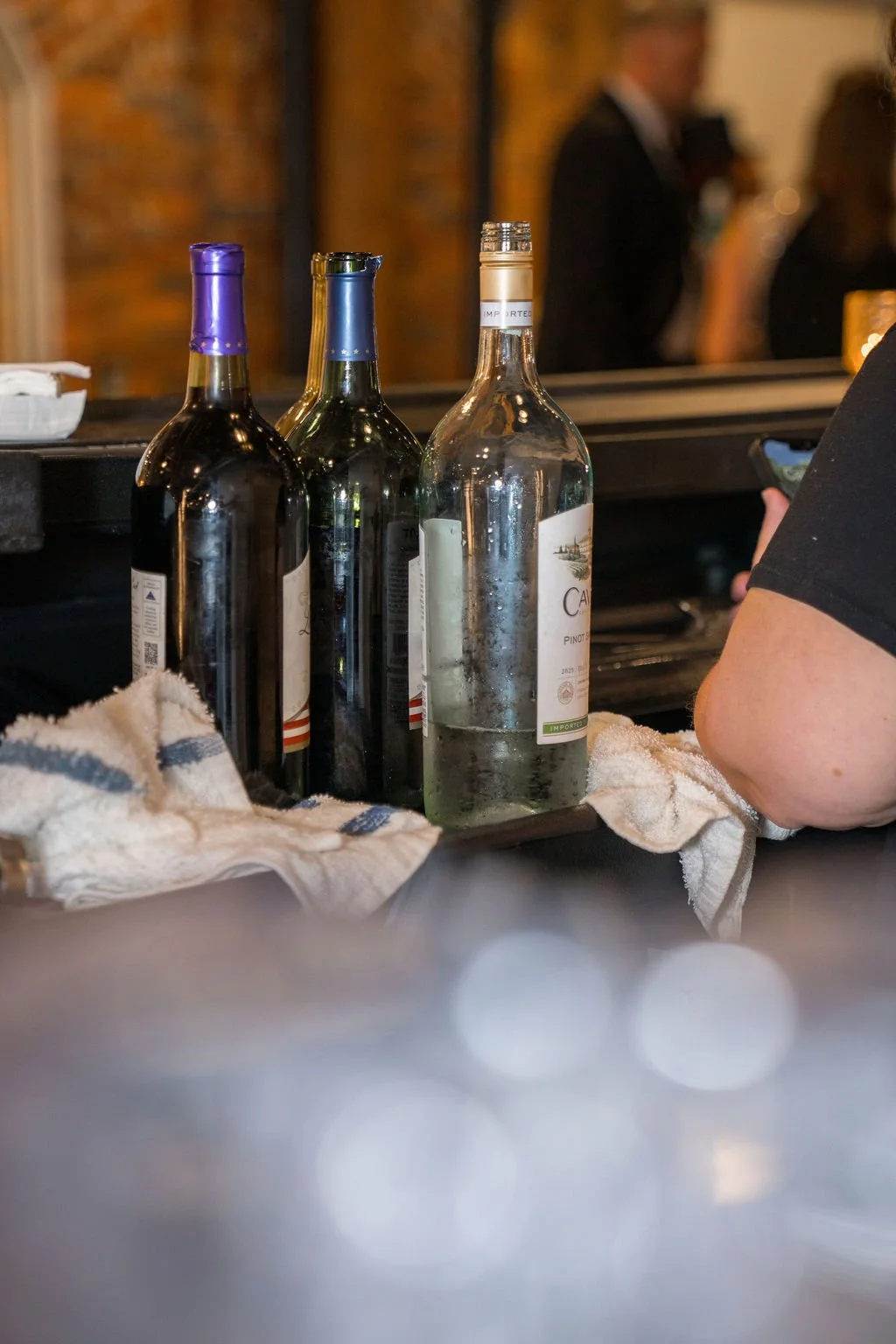
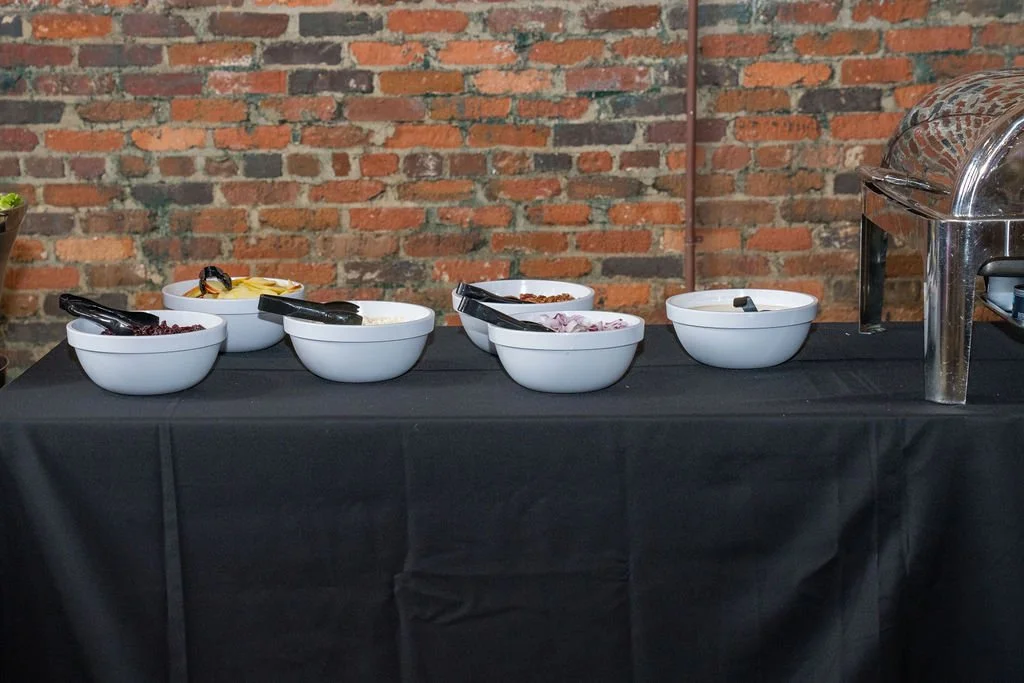
That’s how he worked the gala. He took every problem that came his way, and I didn’t hear about some of them until the drive home. At one point the bar had a single bartender trying to keep up with 150 guests. James stepped in and kept her stocked, running for whatever she needed so she never had to leave her post and the drinks kept coming.
It sounds small. But one extra set of hands at the right moment is often the difference between a smooth night and a line of guests wondering where their drinks are. A lot of good coordination on the day looks exactly like that: someone noticing a gap and filling it before anyone else feels it.
I won’t pretend there’s a tidy line from engines to events. I can tell you what I watched, though. At his very first event, people started going to James for answers without anyone telling them to.
What it changed
We drove home that night with the executive director already asking us to come back next year. And James loved it, which was the part I was least sure about going in.
We’d treated that gala as an experiment, and it could have gone the other way. If the night had gone badly, or if James had decided this work wasn’t for him, Southern Aisles would look very different today. Instead, we’re building our 2027 wedding season together, with both of us on-site at every wedding.
Why we both show up
Something will go wrong at your wedding. It’s usually nothing dramatic: a vendor running behind, a delivery that didn’t show up, a pop-up storm in July. When it happens, you deserve someone who stays with you while someone else takes care of it.
That’s why there are two of us. One of us stays with you and your people, and the other keeps everything around you running. You get to enjoy the day you spent months planning.
Planning your wedding in Gastonia or the Charlotte area? Check your date with us and tell us what you’re picturing, and we’ll walk you through how we’d run your day.
Still planning? Keep reading:
Day-Of Coordinator vs. Wedding Planner: Which One Do You Need?
Why We Staff Two Coordinators, and When You Actually Need One
Getting Married at Loray Mill: A Coordinator’s Guide
Photography by Kristina Lynn Photography.
